
THE SITUATION
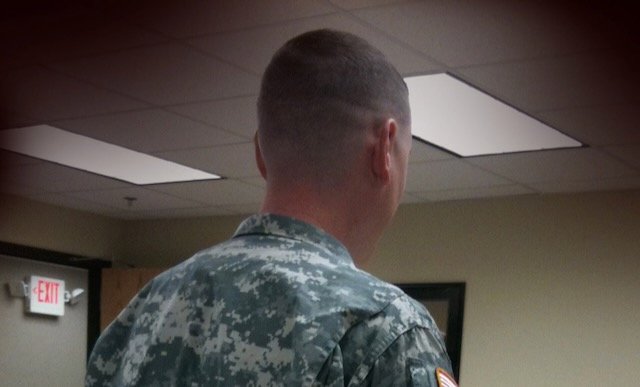
The soldier had danced with us before, but tonight we were meeting in a new location and something was clearly wrong. He stood frozen at the door, his breath shallow, his eyes searching for a way out.
“It’s this room,” he said. “But I think it’ll be okay. There’s just this one door, but I can throw one of those chairs through the window to get out if I have to.”
The soldier had come to dance and found himself reliving a frightening past event. This is the world tens of thousands of soldiers and veterans live in each day. Acute awareness of their environment and their own personal safety keeps them alive in extremely dangerous situations. Now back home, their PTSD puts them on high alert at a moment’s notice.
PTSD also affects their relationships with family and loved ones, who struggle to understand their condition and the many challenges they face.
THEY TEND TO JUST STAY AWAY
In the audio clip above, a VA recovery professional talks about how “unknown variables” keep veterans with PTSD and brain injury from participating in the type of social activities that Dancing Well provides.
ptsd AND veterans
PTSD is prevalent among veterans of recent U.S. wars. According to the U.S. Department of Veterans Affairs, PTSD affects:
29% of veterans who fought in Iraq and Afghanistan
21% of Persian Gulf War veterans
10% of Vietnam veterans
Of the 5.8 million veterans treated by the VA in 2024, 14% of the men and 24% of the women were diagnosed with PTSD. Nearly one in four veterans treated by the VA have had PTSD at some point in their lives. It is the most common diagnosis made by the Veterans Health Administration.
Impact of PTSD
Veterans affected by PTSD face sobering statistics, from high unemployment, divorce, and suicide rates, to increased risk of substance abuse, depression, and homelessness. They also face health problems related to ongoing stress and anxiety. PTSD can cause intense isolation and distress, including:
re-experiencing the original trauma in flashbacks and nightmares
feeling constantly tense and “on guard”
inability to cope with daily living
difficulty remembering things
acute discomfort in group settings
difficulty relating to your spouse, family, or friends
feeling emotionally cut off from others
difficulty sleeping
Brain Injury and veterans
Approximately 67% of veterans in the US have experienced at least one traumatic brain injury (TBI). The Department of Defense calls brain trauma one of the “signature injuries” of the wars in Iraq and Afghanistan due to head injuries from improvised explosive devices. From 2000-2019, more than 400,000 service members were diagnosed with TBI.
Symptoms of brain injury include headaches, irritability, sleep disturbance, impaired memory, slower thinking, and depression. In VA facilities, 80% of veterans diagnosed with TBI also have psychiatric diagnoses. Ultimately, brain injury can impact long-term mental and physical health, affecting employment, reintegration, and relationships, and increase the risk of diseases such as Alzheimer’s and Parkinson’s.
A Ripple Effect
Effects of PTSD and brain injury stretch beyond the individuals with these conditions, affecting relationships with spouses, children, friends, and others. Researchers cite PTSD as one of the mental health issues most likely to have a negative impact on relationships. According to the VA, “PTSD can cause problems with trust, closeness, communication, and problem solving.” Trauma survivors who develop PTSD “may have lasting relationship problems.” [1]
“Dancing Well keeps me afloat. It keeps me from going under. It is a lifesaver to me.”
[1] “Relationships,” PTSD: National Center for PTSD. US Department of Veterans Affairs. Retrieved December 12, 2025, from https://www.ptsd.va.gov/family/effect_relationships.asp.